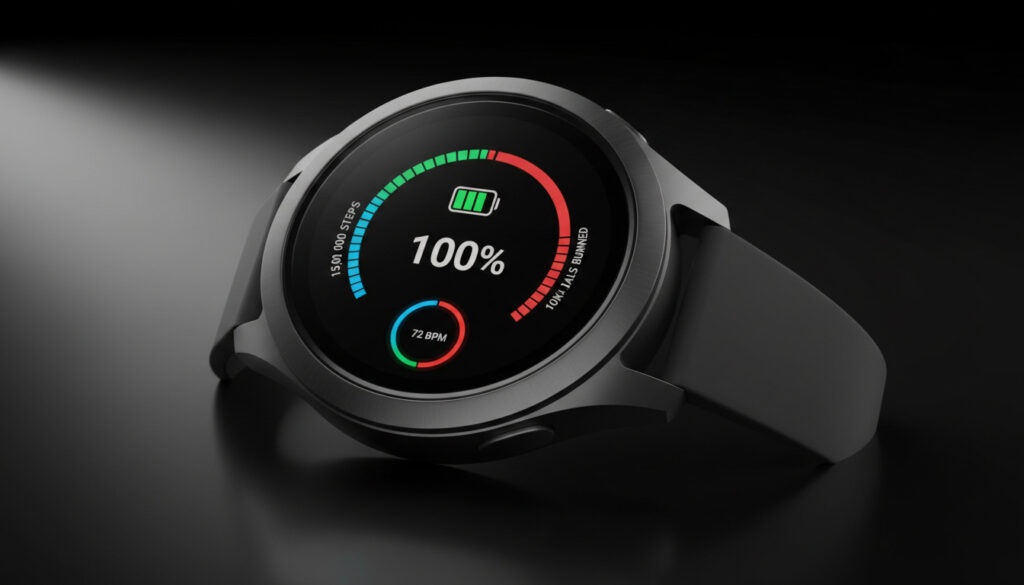
Samsung Galaxy Watch Active – Specs, Battery and 2024 Review
The Samsung Galaxy Watch Active launched in March 2019 as a lightweight, fitness-focused smartwatch featuring a minimalist aluminum design, Super AMOLED display, and Tizen OS 4.0. Weighing just 25 grams without the strap, the 40mm device targeted users seeking GPS tracking and heart rate monitoring without the bulk of traditional smartwatches.
Despite its compact frame, the watch faced criticism for heart rate accuracy limitations and eventually lost software support as Samsung transitioned to Wear OS. Original pricing hovered between $199 and $249, though secondary markets now list used units for significantly less.
This analysis examines the specifications, battery performance, fitness capabilities, and current viability of the Galaxy Watch Active in 2024, drawing from technical documentation and independent testing.
What Are the Key Specs of the Samsung Galaxy Watch Active?
Samsung positioned the device as an entry-level fitness companion with premium materials. Key characteristics include:
- 1.1-inch Super AMOLED display with 360×360 resolution and Corning Gorilla Glass
- Exynos 9110 dual-core processor running Tizen 4.0
- 5ATM water resistance plus IP68 certification and MIL-STD-810G durability
- Aluminum frame without rotating bezel, utilizing two side buttons for navigation
- 230mAh battery with wireless charging capability
- 4GB internal storage with approximately 1.5GB available for user content
- Availability in Black and Silver colorways
| Feature | Details |
|---|---|
| Display | 1.1-inch Super AMOLED, 360×360 resolution |
| Processor | Exynos 9110, 1.15GHz dual-core |
| Memory | 768MB RAM, 4GB storage (1.5GB usable) |
| Connectivity | Bluetooth 4.2, Wi-Fi 802.11 b/g/n, NFC, GPS/A-GPS/Glonass |
| Water Resistance | 5ATM, IP68, MIL-STD-810G |
| Battery | 230mAh, wireless charging (WPC) |
| Sensors | Accelerometer, barometer, gyro, optical heart rate, light sensor |
| Weight | 25g (without strap) |
| Dimensions | 39.5 x 39.5 x 10.5mm |
| Colors | Black, Silver |
How Long Does the Battery Last and Is It Waterproof?
The 230mAh battery typically delivers one to two days of use under standard conditions, according to independent testing. This estimate assumes regular GPS workouts and continuous heart rate monitoring. Activating the always-on display or disabling power saving features to improve sensor accuracy significantly reduces endurance.
Durability ratings include 5ATM water resistance, suitable for swimming and shallow water activities, alongside IP68 dust and water protection. The device also meets MIL-STD-810G military standards for environmental stress. However, documentation notes that battery cells and seals degrade over time, particularly relevant for units purchased used in 2024.
Real-world battery life varies substantially based on settings. Continuous heart rate monitoring and GPS workouts drain the 230mAh cell faster than basic notification use. The always-on display, while convenient, can reduce operational time to less than a full day.
What Fitness and Health Features Does It Offer?
Workout Tracking
Samsung equipped the device with automatic detection for six exercise routines and manual tracking for 39 total activities, including running, weight training, and swimming. Integrated GPS supports outdoor activity mapping without requiring a connected smartphone.
Heart Rate Monitoring Accuracy
Testing revealed poor heart rate accuracy during intense sessions and ramp intervals. The optical sensor updates infrequently—sometimes once per minute during workouts—and exhibits noticeable lag compared to chest straps or competitors like the Garmin Vivoactive 3.
Even with power saving disabled for accuracy, the sensor struggles to maintain reliable readings during high-intensity training. DC Rainmaker testing indicates the hardware performs worse than comparable devices from Garmin.
Sleep Tracking
Sleep tracking functions through the Samsung Health app provide basic duration and quality metrics, though the hardware lacks advanced features such as sleep apnea detection found in newer models. Stress monitoring utilizes the same optical heart rate sensor to calculate variability metrics.
The auto-tracking and lightweight design suit casual fitness enthusiasts and beginners. Serious athletes requiring precise cardiac data may find the sensor performance insufficient for training optimization.
Galaxy Watch Active vs Galaxy Watch Active 2: Key Differences
The Active 2, released later in 2019, addressed several limitations of the original. Display options expanded to include 40mm and 44mm variants with significantly slimmer bezels. While both models utilize the Exynos 9110 processor, the Active 2 introduced ECG monitoring, fall detection, and an optional rotating digital bezel for navigation. Battery capacity increased to 247mAh or 340mAh depending on size, improving endurance over the original’s 230mAh cell.
Heart rate monitoring saw hardware improvements in the successor, though both run Tizen 4.0 with One UI. The original Active remains limited to the single 40mm size and lacks the advanced sensor array of its successor. SamMobile details confirm the minimalist approach absent in later iterations.
| Feature | Galaxy Watch Active (2019) | Galaxy Watch Active 2 (2019) |
|---|---|---|
| Display | 1.1″ Super AMOLED (360×360) | Larger options, slimmer bezels |
| Sizes | 40mm only | 40mm / 44mm |
| Battery | 230mAh | 247mAh / 340mAh |
| ECG | No | Yes |
| Rotating Bezel | No | Digital option available |
| Fall Detection | No | Yes |
Compatibility, Price, and Software Support
The device pairs with Android 5.0+ smartphones and iPhone 5+ models running iOS 9.0 or later. Android users access full functionality through the Galaxy Wearable app, while iPhone compatibility restricts certain advanced features.
Original retail pricing ranged from $199 to $249. Current secondary market values fall between $50 and $100 for used or refurbished units, based on secondary market analysis. Prospective buyers should verify battery health, as lithium cells degrade after four to five years, and inspect for water damage or sensor malfunction.
Software support ended approximately 2020-2021, with no migration path to Wear OS. The Tizen 4.0 base remains functional but receives no security patches, creating potential vulnerabilities for continued use through 2024 and beyond. Official Samsung specifications confirm the discontinuation of active development.
When Was the Galaxy Watch Active Released and Supported?
- : Samsung announces Galaxy Watch Active at Unpacked event
- : Retail availability begins in major markets
- : Galaxy Watch Active 2 launches, superseding original
- : Final major software updates released for original Active
- : Support officially ended; no further security patches
- : Device classified as legacy hardware; secondary market pricing stabilizes $50-$100
Sources: SamMobile, DC Rainmaker
What We Know vs. What Remains Uncertain
| Established Information | Uncertain or Variable Information |
|---|---|
| Hardware specifications: Exynos 9110, 768MB RAM, 230mAh battery | Exact battery health of individual used units |
| Water resistance ratings: 5ATM, IP68, MIL-STD-810G | Long-term durability of water seals on five-year-old units |
| Software end-of-life: approximately 2020-2021 | Future security vulnerability risks specific to unpatched Tizen |
| Heart rate accuracy issues documented through independent testing | Compatibility with future Samsung Health app versions |
| Current secondary market pricing: $50-$100 range | Availability of replacement straps and accessories |
Where Does the Galaxy Watch Active Fit in 2024?
Released during Samsung’s Tizen era, the Galaxy Watch Active represents a transitional phase before the company’s adoption of Wear OS. Its lightweight design philosophy influenced subsequent models, though the hardware limitations—particularly the heart rate sensor and processing power—position it firmly as an entry-level device by current standards.
For users seeking basic notification management, contactless payments via Samsung Pay, and casual activity tracking, the device remains functional. However, the lack of software updates and inferior sensor performance compared to modern budget alternatives suggest limited appeal beyond specific use cases or Samsung ecosystem loyalty.
What Do Experts Say About Performance?
“The heart rate sensor is inaccurate enough that I wouldn’t trust it for training by heart rate zones.”
— DC Rainmaker, Samsung Galaxy Watch Active In-Depth Review
“Solid entry-level fitness watch for beginners, but accuracy issues limit serious athletes.”
— DC Rainmaker Analysis
Is the Samsung Galaxy Watch Active Still Worth Considering?
The Samsung Galaxy Watch Active offers a lightweight, waterproof design with basic fitness tracking and GPS capabilities at a fraction of its original cost. However, discontinued software support and documented heart rate accuracy limitations make it suitable primarily for casual users or as a secondary notification device. Those requiring reliable health data or long-term security updates should consider newer alternatives or current Wear OS models.
Frequently Asked Questions
Does Galaxy Watch Active work with iPhone?
Yes, the Galaxy Watch Active pairs with iPhone 5 and newer models running iOS 9.0 or later. Functionality requires the Galaxy Wearable app, though iPhone users cannot access all features available to Android users.
What colors and sizes is Galaxy Watch Active available in?
Samsung offered the Galaxy Watch Active exclusively in a 40mm case size. Color options included Black and Silver at launch. Both variants feature the same aluminum construction and 20mm interchangeable strap compatibility.
How to set up Samsung Galaxy Watch Active?
Initial setup requires charging the device, then pairing via Bluetooth through the Galaxy Wearable app on Android or iOS. The package includes a wireless charging pad and quick start guide for immediate activation.
Can you use Samsung Pay on Galaxy Watch Active?
Yes, the watch includes NFC functionality enabling Samsung Pay for contactless payments. This feature works regardless of paired smartphone operating system, provided the user has set up Samsung Pay credentials.
Is the Galaxy Watch Active still secure to use in 2024?
Security remains a concern as Samsung ended software support around 2020-2021. The Tizen 4.0 operating system no longer receives security patches, potentially exposing the device to unpatched vulnerabilities.
More related posts
 UK Minimum Wage Increase – New 2026 Rates Explained
 Dean Gaffney: Latest News, Career, and Personal Life
 What Is Sleep Paralysis? Causes, Symptoms, Steps to Help
 Birmingham City FC News – Championship Update, Fixtures and Transfers
 Osasuna vs Real Madrid – Preview, Lineups and Predictions
 150 Euros in Pounds: Live EUR to GBP Rate & Converter
 Urban Outfitters Near Me – Find Stores, Hours & Locations
 Nicholas Brendon dead at 54: Buffy star’s cause of death