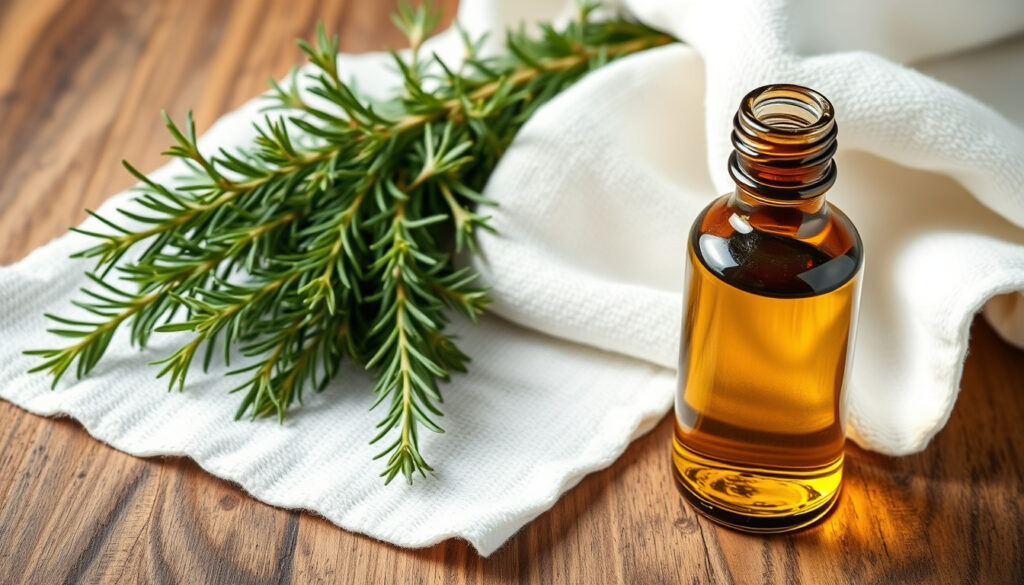
Rosemary Oil for Hair: Benefits, Risks & How to Use
If you’ve ever stood in the hair-care aisle wondering whether those sleek bottles of rosemary oil live up to the hype, you’re not alone. Rosemary oil has been drawing attention for its potential to support hair growth, and there’s actual research behind the buzz.
Studies on rosemary oil vs. minoxidil: A 2015 study found rosemary oil was as effective as 2% minoxidil for hair growth after 6 months ·
Increase in scalp circulation: Rosemary oil is known to improve microcirculation, which can stimulate hair follicles ·
Carnosic acid content: Rosemary oil contains carnosic acid, which helps repair nerve and tissue damage in the scalp ·
Typical usage frequency: Most recommendations suggest using rosemary oil 2–3 times per week, not daily
Quick snapshot
- Rosemary oil can improve scalp circulation (Cleveland Clinic (major US hospital system))
- Contains carnosic acid with tissue-repair properties (Healthline (evidence-based health publisher))
- One 2015 study shows comparable efficacy to minoxidil for hair growth (Cleveland Clinic)
- Whether results from the 2015 study are reproducible in larger populations (NCBI (National Institutes of Health database))
- The exact dosage and frequency that maximizes hair growth (Healthline)
- Long-term safety of daily use (WebMD (health information provider))
- Meaningful improvement may require 2–3 times a week for 6 months (Cleveland Clinic)
- Some users report initial results in 3–4 months (Byrdie (beauty publication))
- Start with diluted application 1–2 times weekly, increase if tolerated (Healthline)
- Monitor for irritation; discontinue if redness or itching occurs (Cleveland Clinic)
Here are the key facts about rosemary oil for hair, compiled from expert sources.
| Fact | Detail |
|---|---|
| Scientific backing | One comparative study with 100 participants showed rosemary oil as effective as minoxidil after 6 months (Cleveland Clinic) |
| Active compound | Carnosic acid is the main active compound linked to nerve and tissue repair (Healthline) |
| Usage frequency | 2–3 times per week recommended by most sources (Cleveland Clinic) |
| Application method | Apply to dry scalp, massage gently, leave at least 30 minutes (Healthline) |
Does rosemary oil help in hair growth?
What evidence supports rosemary oil for hair growth?
- Antioxidant, anti-inflammatory, and antimicrobial properties are the proposed mechanisms (Cleveland Clinic (major US hospital system)).
- Carnosic acid, a compound in rosemary, can help repair nerve and tissue damage in the scalp (Healthline (evidence-based health publisher)).
- A 2015 study with 100 participants found rosemary oil as effective as 2% minoxidil for androgenetic alopecia after 6 months (NCBI (National Institutes of Health database)).
How does rosemary oil compare to minoxidil?
- In the same 2015 trial, rosemary oil matched minoxidil in hair count increase and had less scalp itching (NCBI).
- According to Healthline, rosemary oil may be competitive with commercial products while causing fewer side effects.
How do you use rosemary oil on your hair?
Should you apply rosemary oil to dry or wet hair?
- Cleveland Clinic recommends massaging diluted rosemary oil into the dry scalp, not just coating the hair (Cleveland Clinic).
- Applying to dry scalp allows better absorption and less dilution of the oil.
What carrier oil should you use with rosemary essential oil?
- Coconut oil, jojoba oil, or olive oil are commonly recommended (Cleveland Clinic).
- Healthline suggests about 5 drops of rosemary oil mixed with 1 teaspoon of carrier oil (Healthline).
How many drops of rosemary oil should you use?
- 5 drops per ounce of shampoo, conditioner, or hair mask is a typical ratio (Healthline).
- For a direct scalp treatment, 3–5 drops with 1 tablespoon of carrier oil is common (Byrdie (beauty publication)).
How long should you leave rosemary oil in your hair?
Can you leave rosemary oil in your hair overnight?
- Cleveland Clinic recommends applying at night and washing out in the morning for a longer contact time (Cleveland Clinic).
- Overnight use is generally safe if the oil is properly diluted and you don’t have sensitive skin.
How often should you do a rosemary oil treatment?
- Starting at 1–2 times per week, then increasing to 2–3 times per week is advised (Healthline).
- Daily use is possible if diluted, but most experts caution against overuse to avoid irritation (Cleveland Clinic).
What is the disadvantage of rosemary oil for hair?
Can rosemary oil cause skin irritation?
- Undiluted essential oil can cause contact dermatitis or allergic reactions (Cleveland Clinic).
- Healthline emphasizes that rosemary essential oil must always be diluted to prevent irritation (Healthline).
- Patch testing on a small area before full application is recommended by WebMD (health information provider).
Who should avoid using rosemary oil?
- People with epilepsy or high blood pressure should consult a doctor before use (WebMD).
- Avoid contact with eyes and mucous membranes.
- Pregnant or breastfeeding women are advised to use caution (WebMD).
What are the big 3 for hair regrowth and thinning hair?
What are the big 3 for hair regrowth?
- Minoxidil (Rogaine), finasteride (Propecia), and low-level laser therapy are the standard medical triad (Medical News Today (health news publisher)).
- Rosemary oil is considered a complementary approach, not a replacement for these treatments.
What are the big 3 for thinning hair?
- Minoxidil, biotin supplements, and a nutrient-rich diet are commonly cited for thinning hair (Byrdie).
- Addressing underlying causes like iron deficiency or stress is also critical.
Can I make rosemary oil for hair at home?
What ingredients do you need for homemade rosemary oil?
- Dried rosemary leaves and a carrier oil (olive, jojoba, or coconut) are the basics (UpCircle (natural beauty brand)).
- Combine and steep for 2–4 weeks in a sealed jar, shaking occasionally.
How long does homemade rosemary oil last?
- Strain and store in a dark glass bottle — it keeps up to 6 months (UpCircle).
- Refrigeration can extend shelf life.
Upsides
- Backed by a controlled study showing efficacy comparable to minoxidil (NCBI)
- Natural origin with fewer reported side effects than pharmaceutical options (Healthline)
- Improves scalp circulation and provides antioxidant protection (Cleveland Clinic)
- Easy to incorporate into existing hair care routines (Byrdie)
Downsides
- Skin irritation possible if not properly diluted (Cleveland Clinic)
- Requires consistent use for months to see results (Cleveland Clinic)
- Not a cure for advanced hair loss or genetic baldness (Medical News Today)
- Limited large-scale studies confirming effectiveness (NCBI)
Step-by-Step Rosemary Oil Hair Routine
- Choose a carrier oil (jojoba, coconut, or olive) and mix 3–5 drops of rosemary essential oil per tablespoon of carrier.
- Apply the mixture to dry scalp, massaging gently for 2–3 minutes with your fingertips.
- Leave on for at least 30 minutes; for deeper treatment, leave overnight and wash in the morning.
- Wash hair with a mild shampoo; you can also add 5 drops of rosemary oil to your shampoo or conditioner.
- Repeat 2–3 times per week. Results typically appear after 3–6 months of consistent use.
Confirmed facts
- Rosemary oil improves scalp circulation (Cleveland Clinic)
- Contains carnosic acid with tissue-repair properties (Healthline)
- One 2015 study shows comparable efficacy to minoxidil for hair growth (NCBI)
What’s unclear
- Whether results from the 2015 study are reproducible in larger populations (NCBI)
- The exact dosage and frequency that maximizes hair growth (Healthline)
- Long-term safety of daily use (WebMD)
“Rosemary oil has been found in studies to be a good alternative treatment for androgenic alopecia and hair loss.”
— Cleveland Clinic (major US hospital system)
“Rosemary essential oil may support hair growth and help prevent hair loss because of antioxidant, anti-inflammatory, and antimicrobial properties.”
— Healthline (evidence-based health publisher)
“Rosemary extract has been found to reduce hair loss and promote hair growth.”
“For best results, massage diluted rosemary oil into the scalp and leave it on for a few hours or overnight before washing.”
For anyone in Ireland considering rosemary oil for hair, the evidence supports giving it a fair six-month trial. This natural option is backed by a single strong study, but it demands patience and proper dilution. Start with a twice-weekly routine, use a trusted carrier oil, and monitor your scalp’s response. If you’re dealing with significant hair loss, rosemary oil can be a helpful part of a broader plan — but it’s not a magic cure.
Those exploring natural hair growth remedies often begin with rosemary oil for hair benefits to evaluate the scientific evidence.
Frequently asked questions
Can rosemary oil regrow hair on bald spots?
The 2015 study showed growth in androgenetic alopecia, but results vary. It’s more likely to help thinning areas than completely bald patches.
Is rosemary oil safe for colored or treated hair?
Yes, when diluted properly. It may even help maintain scalp health, but avoid applying to freshly dyed hair for 48 hours.
Does rosemary oil work for hair loss due to stress?
It may help by improving circulation and reducing scalp inflammation, but addressing the root cause of stress-related hair loss is essential.
Can I mix rosemary oil with shampoo?
Yes. Add about 5 drops of rosemary essential oil per ounce of shampoo and shake well before each use.
How long does it take to see results from rosemary oil?
Most sources recommend consistent use for 3–6 months before assessing improvement.
Is rosemary oil better than peppermint oil for hair growth?
Both have evidence; rosemary has more direct hair-growth study data, while peppermint increases circulation. Some people use them together.
Can I use rosemary oil if I have a sensitive scalp?
Proceed with caution. Do a patch test first, and always dilute with a gentle carrier oil. If irritation occurs, discontinue.
More related posts
 Tinker Tailor Soldier Spy: Book, TV Miniseries & Film Guide
 Millie Bobby Brown Baby – Adoption Confirmed, Rumors Cleared
 What Is a Gene? Simple Definition, vs DNA, Human Count
 Sky TV Phone Number: Free UK & Ireland 24/7 Support
 Members of the Mamas and the Papas: Original 4 Fates
 SEND Code of Practice 2015: Principles & Key Facts
 NatWest Share Price Today: Live Data, Decline & Forecast
 Cillit Bang Black Mould Remover – Reviews, Instructions & Safety Guide